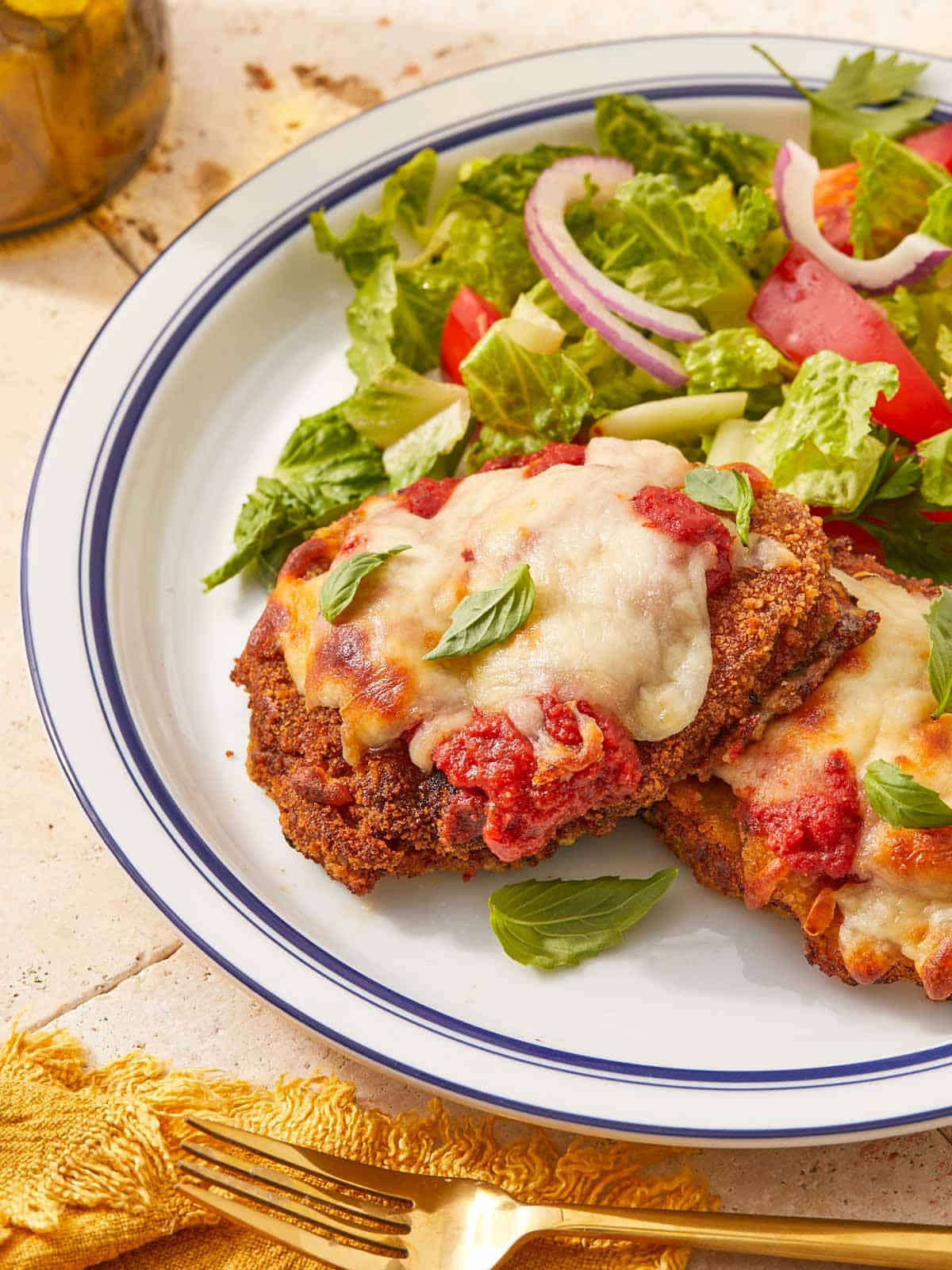
The Secret to Crispy Beef Parmigiana: A Guide to Perfect Texture
There are certain dishes that, once they capture your imagination, nothing else quite measures up. For many, that dish is a perfectly executed Beef Parmigiana. But not just any Beef Parmigiana – we’re talking about a truly exceptional one, where every bite promises a satisfying crunch before melting into tender, savory beef. The kind that makes kitchen conversations pause, the kind where everyone hovers, eager for a taste. Achieving that elusive, mouthwatering texture in your crispy beef parmigiana isn't just a matter of following a recipe; it's an art, a dance between intention and execution. This guide will reveal the essential steps and subtle nuances that transform a good dish into an unforgettable culinary triumph.
The journey to an impeccable crispy beef parmigiana often begins with a craving that simply won't be satisfied by anything less. You might recall the first time you nailed it: the aroma of fried breadcrumbs mingling with warm tomato sauce, the sheer delight of a crust that held its integrity, and a feeling that this dinner was destined for more than just quiet eating. It’s this dedication to detail that elevates the dish, making it worth every moment of focused attention.
The Foundation of Flavor: Choosing and Preparing Your Beef
The heart of any great Beef Parmigiana is, of course, the beef itself. The secret to its ultimate tenderness and ability to cook quickly without drying out lies in its initial treatment.
Selecting the Right Cut
While various cuts can be used, lean cuts like round steak, top sirloin, or even thinly sliced eye of round are ideal. These cuts are less fatty, which helps in achieving a crisp exterior without excessive grease, and they respond beautifully to proper preparation. Avoid cuts that are too thick or heavily marbled, as they can be challenging to tenderize evenly and achieve that signature quick-fry crispness.
Pounding for Perfection
This step is non-negotiable for a truly tender and crispy beef parmigiana. Place your chosen beef cut between two sheets of plastic wrap and pound it evenly to about ¼-inch thickness. A meat mallet is perfect for this, but the bottom of a heavy skillet works too. Pounding accomplishes several critical things:
- Even Cooking: Thinner, uniform pieces cook quickly and simultaneously, preventing some parts from drying out while others are still cooking.
- Increased Tenderness: The physical action breaks down muscle fibers, resulting in a more tender bite.
- Maximized Surface Area: A larger, thinner surface area means more room for that delicious breading.
As experienced cooks know, once beef tightens up from improper cooking, it's virtually impossible to fix. Getting this foundational step right ensures the meat remains succulent even after frying and baking.
Strategic Seasoning
Before any breading touches the beef, season it generously. Beyond salt and freshly ground black pepper, consider a light dusting of garlic powder, onion powder, and a pinch of dried Italian herbs. This infuses the beef itself with a base layer of flavor, ensuring every part of the dish contributes to the overall taste profile.
Mastering the Breading: Your Shield Against Sogginess
The breading is arguably the most crucial component for achieving that coveted crispy texture. It's a protective shield that, when applied correctly, locks in moisture while creating a golden, crunchy exterior.
The Classic Dry-Wet-Dry Method
This time-honored technique is the cornerstone of effective breading. Set up a dredging station with three shallow dishes:
- Flour: Seasoned with salt, pepper, and perhaps a touch of paprika.
- Egg Wash: Slightly beaten eggs mixed with a tablespoon of water or milk.
- Breadcrumbs: Fine dry breadcrumbs are preferred for a consistent, crisp crust.
Dredge each pounded beef cutlet first in flour, shaking off any excess. This creates a dry surface for the egg to adhere to. Next, dip it in the egg wash, allowing any extra to drip off. Finally, press it firmly into the breadcrumbs.
The Magic of Pressing
This is where many home cooks rush and compromise crispiness. When coating with breadcrumbs, don't just lightly dust them on. Press the breadcrumbs onto the beef with firm, even pressure on both sides. You want the crumbs to be thoroughly embedded into the egg wash, forming a dense, continuous layer. This firm adherence is what creates a sturdy crust that resists oil absorption and remains crisp. After breading, let the cutlets rest for 10-15 minutes. This "setting" time allows the breading to meld with the beef, further ensuring it stays put during frying and prevents a soggy outcome.
Enhancing the Crust
Elevate your breadcrumbs by mixing in grated Parmesan cheese, dried basil, oregano, or even a pinch of red pepper flakes for a subtle kick. The Parmesan not only adds a salty, umami depth but also contributes to the browning and crispness of the crust.
The Golden Fry: Achieving Irresistible Crispness
Frying is the moment of truth for your crispy beef parmigiana. This stage demands focus and precision to achieve that beautiful golden-brown, crunchy exterior without overcooking the delicate beef within.
Temperature is Key
Heat about ¼-½ inch of a neutral oil (like canola, vegetable, or grapeseed) in a large skillet over medium-high heat. The oil should be hot enough to sizzle immediately when a test breadcrumb is dropped in, but not smoking. Aim for around 350-375°F (175-190°C). If the oil isn't hot enough, the breading will absorb too much oil, becoming greasy and soggy. If it's too hot, the crust will burn before the beef is properly cooked or before it achieves that deep golden hue.
Don't Crowd the Pan
Resist the urge to fry too many cutlets at once. Overcrowding the pan drastically drops the oil temperature, leading to steamed, rather than fried, results. Fry in batches, giving each cutlet ample space. This ensures consistent oil temperature and proper browning on all sides.
Quick and Efficient Cooking
Due to their thinness, your beef cutlets will cook very quickly. Fry for only 2-3 minutes per side, or until the breading is deeply golden brown and crispy. The goal is to cook the beef just through while achieving a perfect crust. Once done, transfer the fried cutlets to a wire rack set over a baking sheet to drain any excess oil. This prevents the bottom from becoming soggy. The pursuit of the perfect crispy crust and tender interior often comes down to precise execution at this stage. For a deeper dive into how patience here directly impacts the overall tenderness, read Crispy Beef Parmigiana: Why Patience Delivers Perfect Tenderness.
Assembling and Finishing: The Art of Balance
The final assembly is where all the elements come together, and it's also where the crispiness of your beef can be jeopardized if not handled with care.
The Separate Cook Rule
One of the ultimate secrets to maintaining a crispy crust is to ensure the beef is almost fully cooked and perfectly crisp before it's introduced to the sauce and cheese. If you pile on sauce and cheese too early, the steam will inevitably soften your hard-earned crust. A quick bake in the oven is meant to melt cheese and warm the sauce, not to cook the beef further or steam the breading.
Mindful Sauce Application
Warm your favorite tomato or marinara sauce separately. When assembling your parmigiana, apply just enough sauce to coat the beef and provide flavor, but don't drown it. Too much sauce will lead to sogginess. The sauce should complement, not overwhelm, the star of the show: your crispy beef.
The Cheese Layer
Generously layer with fresh mozzarella, sliced or shredded, and a sprinkle of grated Parmesan cheese. Mozzarella provides that desirable gooey, stretchy texture, while Parmesan adds a sharp, salty depth and helps create a beautiful golden-brown crust on top.
The Final Bake
Transfer your assembled parmigiana to a preheated oven (around 375-400°F or 190-200°C) for a short period—typically 10-15 minutes. The goal is simply to melt the cheese until bubbly and slightly browned, and to warm the sauce through. For an extra touch of crispiness and a beautifully golden top, you can finish it under the broiler for a minute or two, watching carefully to prevent burning. Achieving this perfect harmony of crispness, tenderness, and rich flavor is a true culinary art. To explore further how to manage this delicious indulgence with precision, see Crafting Crispy Beef Parmigiana: Indulgence with Perfect Balance.
Just like mastering a perfectly structured Easy Butter Chicken, where richness is controlled so every element shines, the triumph of a crispy beef parmigiana lies in that same principle of timing, restraint, and texture.
Conclusion
Creating the ultimate crispy beef parmigiana is a culinary endeavor that rewards patience and attention to detail. From meticulously preparing your beef and perfecting the breading process to executing a precise fry and assembling with a mindful hand, each step contributes to the final masterpiece. The result is a dish that is gloriously crisp on the outside, incredibly tender within, and perfectly balanced with rich sauce and gooey cheese. It's a dish worth making when you crave something truly special, a meal that turns an ordinary evening into an unforgettable dining experience. Embrace these secrets, and you'll unlock the perfect texture every time, making your beef parmigiana the talk of the table.
