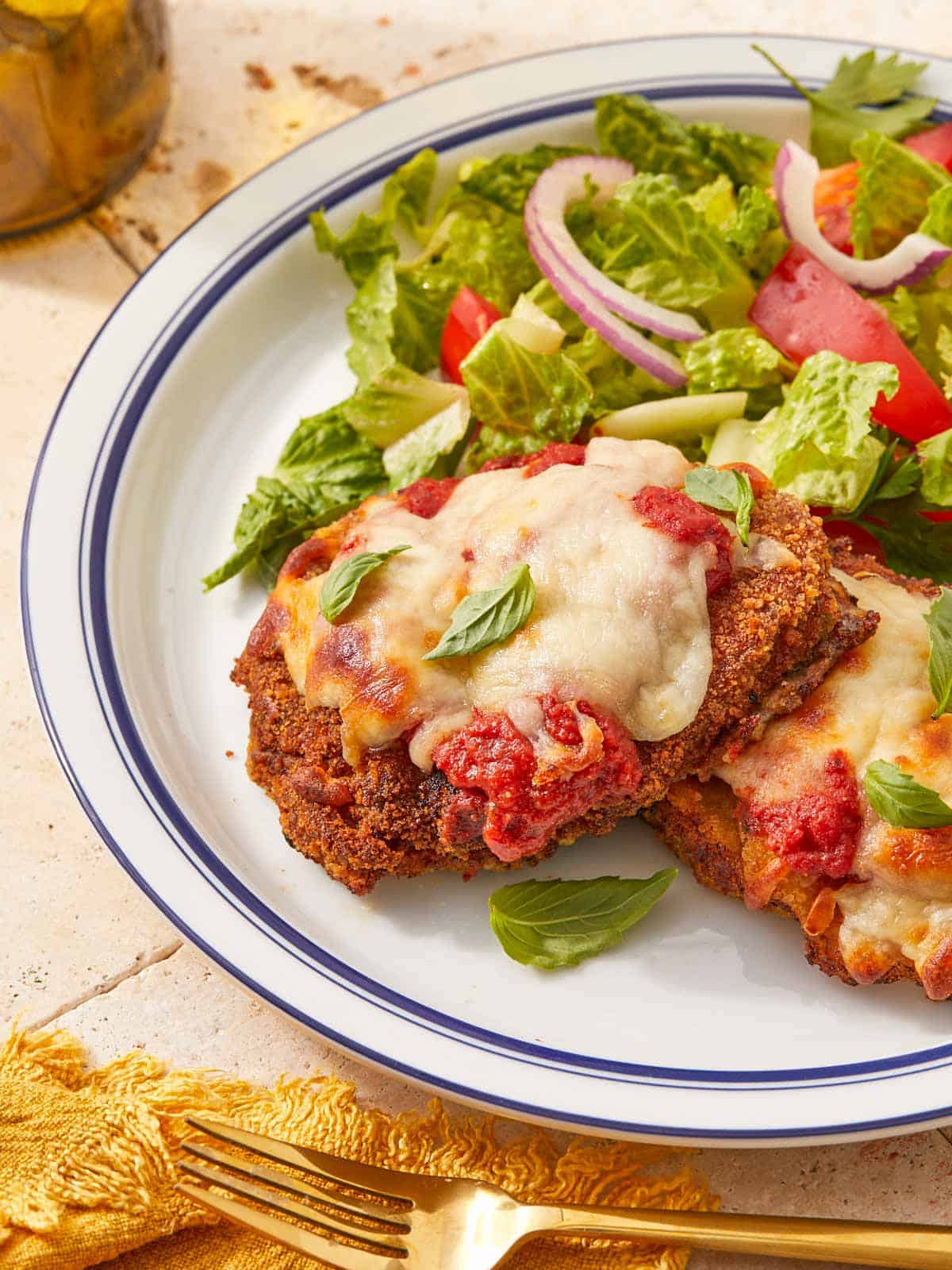
Crispy Beef Parmigiana: Why Patience Delivers Perfect Tenderness
There are some dishes that simply refuse to be rushed, and for many, crispy beef parmigiana sits proudly at the top of that list. It's not just a meal; it's an experience – a symphony of textures and flavors that captivates the senses and makes time slow down, if only for a little while. This is the kind of culinary masterpiece that you crave deeply, knowing that once the thought takes root, no other dish will truly satisfy. The aroma alone, a tantalizing blend of fried breadcrumbs and simmering tomato sauce, signals an occasion worth savoring. We've all been there: the kitchen bustling, appetites soaring, the temptation to speed things up almost irresistible. Yet, anyone who has truly mastered this Italian-American classic will tell you that its perfection hinges on one crucial, often undervalued ingredient: patience. Rushing the process, even slightly, can lead to a host of disappointments – a soggy crust, dry beef, or an imbalanced medley of flavors that misses the mark entirely. But when executed with thoughtful care, the reward is a dish that makes people linger, often leading to playful skirmishes over who gets the first piece, or who dared to pilfer a rogue strand of melted cheese. The journey to a truly unforgettable crispy beef parmigiana is one of deliberate steps, where every moment of attention pays dividends in unparalleled tenderness and that coveted, golden crunch.The Foundation of Flavor: Selecting and Preparing Your Beef
The heart of any exceptional beef parmigiana lies, naturally, in the beef itself. The choice and preparation of your cut are foundational to achieving that desired tenderness, even after multiple cooking stages. Don't underestimate this initial step; once beef tightens up from improper handling or overcooking, there's no going back.Choosing the Right Cut
While many recipes call for beef round steak, specific cuts can elevate your dish. Top round or sirloin steaks are excellent choices, offering a good balance of flavor and tenderness. For an even more luxurious experience, some opt for thinner cuts of tenderloin. Regardless of your selection, aim for a cut that can be easily pounded to an even thickness of about 1/4 to 1/2 inch. This consistency is crucial for uniform cooking, ensuring that every piece cooks quickly and remains succulent.
Pre-Treatment and Seasoning
Before your beef ever sees a pan, proper seasoning is paramount. A generous application of salt and freshly ground black pepper is non-negotiable, penetrating the meat to enhance its natural flavors. Consider adding a light dusting of garlic powder or onion powder for an extra layer of savory depth. Pounding the beef not only creates an even thickness but also helps tenderize the muscle fibers. Lay the beef between two sheets of plastic wrap and use a meat mallet or a heavy-bottomed pan to gently but firmly pound it until uniformly thin. A pro tip for even cooking: allow your seasoned beef to rest at room temperature for about 20-30 minutes before frying. This prevents the shock of cold meat hitting hot oil, which can lead to uneven cooking and tougher results.
Mastering the Breading: The Golden Crust Secret
The signature crispness of a perfect crispy beef parmigiana doesn't happen by accident; it's the direct result of a meticulous breading process. Rushing this stage is a common pitfall that often leads to a disappointing, soggy coating that absorbs too much oil. The secret lies in a deliberate, multi-stage approach that ensures maximum adhesion and an unbeatable crunch.The Three-Stage Dredging Process
- Flour: Begin by lightly dredging each piece of beef in all-purpose flour. The flour acts as a dry base, absorbing any surface moisture and providing a porous surface for the egg wash to adhere to. Shake off any excess.
- Egg Wash: Next, dip the floured beef into a mixture of lightly beaten eggs, often thinned with a splash of milk or water. This creates the essential binder, helping the breadcrumbs cling to the beef. Ensure full coverage.
- Breadcrumbs: This is where the magic happens for crispiness. While fine dry breadcrumbs work, for truly superior crispness, Panko breadcrumbs are a game-changer. Their larger, flakier texture creates a lighter, airier, and significantly crunchier crust. For enhanced flavor, mix your Panko with grated Parmesan cheese, dried Italian herbs like oregano and basil, and a pinch of garlic powder.
The "Press and Set" Technique
Once the beef is in the breadcrumbs, don't just gently roll it. Firmly press the breadcrumbs onto both sides of the beef, ensuring a thick, even coat. This commitment to coverage is crucial. After breading, place the beef on a wire rack and allow it to rest for at least 10-15 minutes, or even refrigerate it briefly. This "setting" time allows the moisture from the beef and egg wash to be absorbed by the breadcrumbs, helping them adhere more firmly. This crucial pause prevents the coating from flaking off or becoming saturated with oil during frying, ensuring that beautiful, lasting crisp. For a deeper dive into achieving this texture, explore The Secret to Crispy Beef Parmigiana: A Guide to Perfect Texture.
The Art of Frying: Achieving the Perfect Crisp
The frying stage is perhaps the most critical for achieving that coveted golden, crunchy exterior that defines a spectacular crispy beef parmigiana. It’s a delicate balance where oil temperature, batch size, and timing all play pivotal roles. Mismanage this step, and you���ll end up with a greasy, soggy crust – the antithesis of what we’re striving for.Oil Selection and Temperature Control
Choose a neutral-flavored oil with a high smoke point, such as vegetable, canola, or grapeseed oil. The quantity of oil matters too; aim for about 1/2 to 1 inch in your skillet to allow for effective frying without deep-frying. The single most important factor, however, is oil temperature. Too low, and the breading will absorb excess oil, leading to sogginess. Too high, and the crust will burn before the beef is cooked through. The sweet spot is typically between 350-375°F (175-190°C). Investing in a reliable kitchen thermometer is invaluable here. If you see the oil smoking, it's too hot; if the beef isn't sizzling immediately upon contact, it's too cool.
Batch Cooking for Optimal Results
Resist the urge to overcrowd the pan. Frying too many pieces of beef at once will drastically drop the oil temperature, leading to steaming rather than crisp frying. Cook in batches, leaving ample space between each piece. This ensures the oil temperature remains consistent and each cutlet gets a chance to develop that beautiful golden-brown crust. Fry for about 2-3 minutes per side, or until the breading is deeply golden and the beef is cooked through but still tender. Once fried, transfer the cutlets to a wire rack placed over a baking sheet. This allows air to circulate, preventing the bottoms from becoming soggy while you fry the remaining batches. This separation is key to maintaining crispness before the final assembly.
Assembling and Finishing: The Symphony of Flavors
With your beef perfectly crispy and tender, the final stage is about bringing all the elements together into a cohesive, indulgent dish. This is where restraint and balance become just as important as the initial cooking, ensuring the sauce and cheese enhance rather than overwhelm the delicate crunch and flavor of the crispy beef parmigiana.Sauce and Cheese Harmony
Start with a high-quality marinara or a rich, homemade tomato sauce. The sauce should be flavorful but not too watery, as excess moisture can quickly compromise your crispy crust. Warm the sauce gently before assembly to reduce baking time. For the cheese, a generous layer of low-moisture mozzarella is standard for its excellent melting properties. You can also add slices of fresh mozzarella for pockets of creamy texture, or a touch of provolone for a sharper, saltier note. A final sprinkle of grated Parmesan cheese adds a distinct nutty, savory finish.
The Final Bake: Quick and Controlled
Preheat your oven to about 400°F (200°C). On a baking sheet or in an oven-safe dish, place a small spoon of sauce, then a fried beef cutlet, followed by a generous layer of sauce and then the cheeses. The goal here is to bake just long enough to melt the cheese and warm the sauce through, without allowing the beef to overcook or the treasured crust to soften. Typically, 10-15 minutes is sufficient. For an extra golden-brown, bubbly top, you can finish with a quick minute or two under the broiler. This final assembly perfectly embodies the balance of indulgence and structure, a principle beautifully explored in Crafting Crispy Beef Parmigiana: Indulgence with Perfect Balance.
