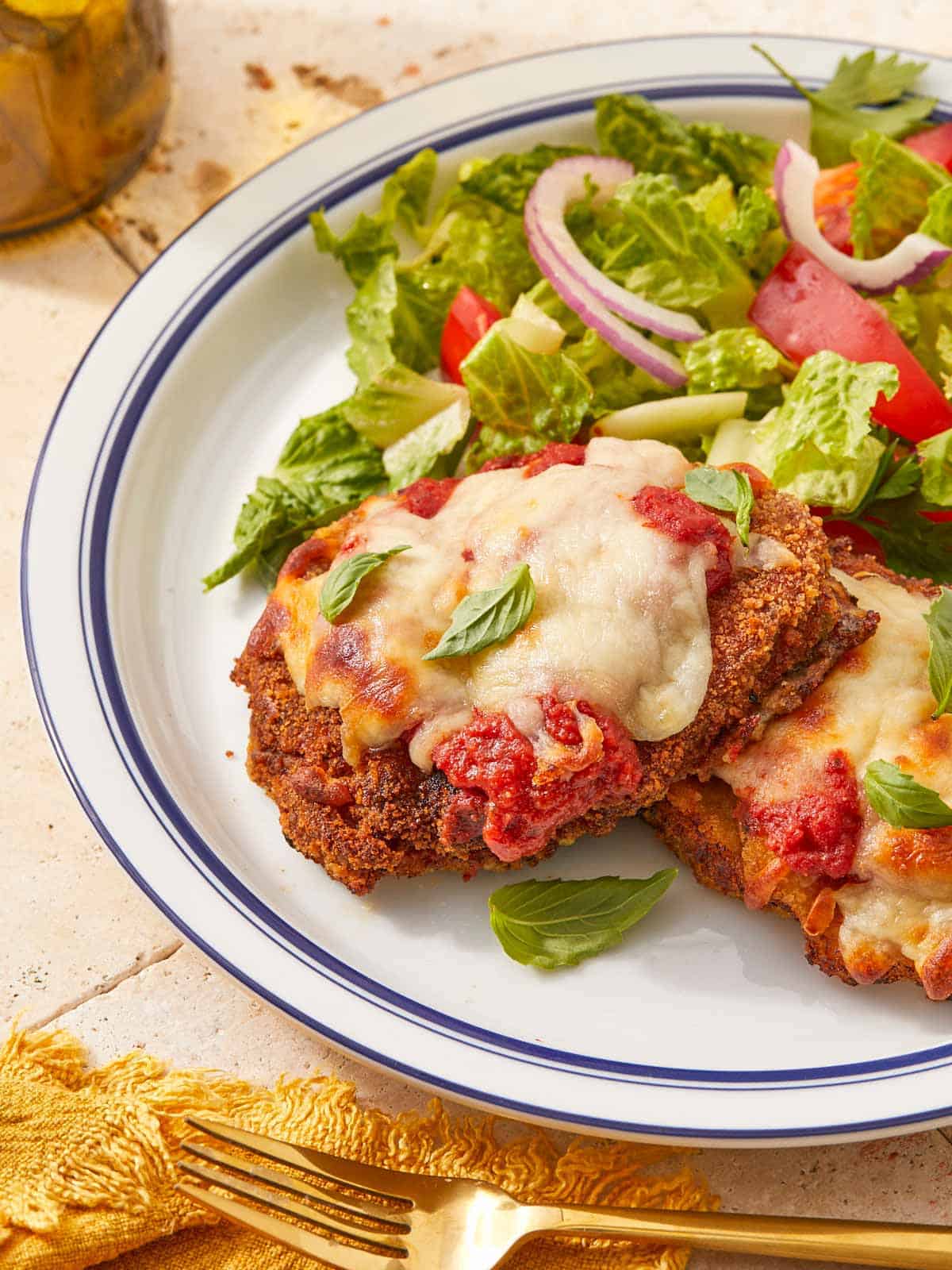
Crafting Crispy Beef Parmigiana: Indulgence with Perfect Balance
There are some dishes that linger in your mind long after the last bite, creating a craving so specific that nothing else can satisfy it. For many, that dish is a perfectly executed crispy beef parmigiana. It's a culinary masterpiece that marries the rustic comfort of Italian-American cuisine with an irresistible textural interplay: shatteringly crisp on the outside, succulent and tender within, all enrobed in a rich, vibrant tomato sauce and blanketed with melted, bubbling cheese. This isn't just a meal; it's an experience, a dish that transforms an ordinary evening into a memorable occasion.
The journey to creating such a dish is one of careful attention, a subtle dance between technique and patience. From the moment the beef is prepared to the final sprinkle of herbs, every step contributes to that sublime balance of indulgence and refined flavor. It’s a dish that commands presence, drawing people closer, sparking conversations, and often inspiring a quiet moment of pure enjoyment.
The Art of Achieving the Perfect Crispy Crust
The hallmark of an exceptional crispy beef parmigiana lies undeniably in its crust. That golden, crunchy exterior is what sets it apart, providing a delightful contrast to the tender beef and rich toppings. Achieving this perfect crispness is a skill honed through precision and a keen understanding of texture.
It all begins with the beef itself. While the specific cut can vary (many favor round steak or sirloin for its lean profile), the preparation is key. The beef should be sliced relatively thinly, about 1/2 to 3/4 inch thick, and then gently pounded to an even thickness. This ensures not only uniform cooking but also creates a larger surface area for that delicious breading. Proper seasoning at this stage—a simple blend of salt and freshly ground black pepper—is crucial, as it flavors the meat from within before it ever meets the breading.
Next comes the crucial breading process. This typically involves a three-step method: dredging in seasoned flour, dipping in a lightly beaten egg wash, and finally coating in breadcrumbs. For the ultimate crispness, we highly recommend using Panko breadcrumbs. Their larger, flakier texture absorbs less oil and delivers a superior crunch. The secret here isn't just coating, but firmly pressing the breadcrumbs onto every surface of the beef. This creates a tight bond, preventing the coating from separating during frying. An additional, often overlooked, tip is to let the breaded cutlets rest for 10-15 minutes in the refrigerator before frying. This allows the breading to adhere even more firmly, reducing the risk of it shedding and ensuring a truly crispy outcome.
Frying is the stage where the magic happens. The oil temperature is paramount: too cold, and the breading will absorb excess oil and turn soggy; too hot, and it will burn before the beef cooks through. Aim for a medium-high heat, around 350-375°F (175-190°C). Fry the beef cutlets in batches, ensuring not to overcrowd the pan. Overcrowding drops the oil temperature and steaming the cutlets instead of frying them. Each side should be cooked until beautifully golden brown and crisp, usually 2-4 minutes per side, depending on thickness. The goal here is to achieve that initial crispness and partially cook the beef, leaving the final cooking to the oven. For a deeper dive into perfecting this critical step, explore The Secret to Crispy Beef Parmigiana: A Guide to Perfect Texture.
Mastering Tenderness: From Butcher Block to Plate
While the crisp exterior is non-negotiable, the interior of a great crispy beef parmigiana must be supremely tender and juicy. No amount of crispness can salvage dry, tough beef. Achieving this perfect tenderness requires foresight and careful handling at every stage.
The initial selection of beef plays a significant role. Cuts like beef round steak or top round are lean and can be tough if not treated properly, but they also offer a fantastic canvas for tenderization. Pounding the beef to an even thickness, as mentioned earlier, not only aids in crispness but also physically breaks down the muscle fibers, making the meat more tender. This crucial step prevents the beef from tightening up during cooking, a common pitfall that can lead to dryness.
During the initial frying, it's vital not to overcook the beef. The goal is to develop a golden, crispy crust and partially cook the meat. The beef will continue to cook through in the oven, enveloped in sauce and cheese. Therefore, avoid frying until well-done. Instead, aim for a light golden-brown color on the crust, knowing the oven will finish the job gently. This nuanced approach ensures the beef remains moist and tender throughout the entire cooking process.
The oven finish is where the final tenderization occurs, marrying the beef with the sauce and cheese. It's a gentle, moist-heat environment that allows the beef to reach its ideal doneness without drying out. The residual heat and steam from the sauce and melting cheese contribute to the beef's tenderness. Monitoring the internal temperature of the beef (aiming for 145°F for medium-rare, or slightly higher based on preference) can ensure perfect doneness without sacrificing moisture. Patience is truly a virtue here, allowing the flavors to meld and the textures to harmonize. Discover more about this delicate balance in Crispy Beef Parmigiana: Why Patience Delivers Perfect Tenderness.
The Symphony of Flavors: Sauce, Cheese, and Balance
Beyond the delightful textures, a truly memorable crispy beef parmigiana is defined by its harmonious blend of flavors. The sauce and cheese are not mere accompaniments; they are integral components that elevate the dish from good to extraordinary.
The tomato sauce forms the backbone of the flavor profile. While a high-quality jarred marinara can work in a pinch, a homemade sauce truly shines. It doesn't need to be complex – a simple sauce made with crushed tomatoes, garlic, basil, and a touch of olive oil, simmered gently, provides a fresh and vibrant counterpoint to the richness of the fried beef and cheese. The key is to keep it from being overly acidic or sweet; its role is to complement, not overpower.
The cheese selection is equally important. A classic parmigiana features fresh mozzarella, known for its superb melting qualities and mild, creamy flavor. Using low-moisture mozzarella, either shredded or sliced, helps prevent the dish from becoming watery. A generous sprinkle of freshly grated Parmesan cheese adds a salty, nutty depth and forms that irresistible golden crust on top. Some variations also incorporate provolone for an added layer of tangy flavor.
The secret to the perfect "symphony" is achieving balance. This dish is inherently indulgent, but it should feel rich and satisfying, not heavy or overwhelming. This means being judicious with the sauce and cheese. Too much sauce can drown the crispy beef, making it soggy, and excessive cheese can mask the flavor of the meat. The goal is "just enough" sauce to moisten and flavor, and enough cheese to create a beautiful, melted blanket that binds everything together. It's akin to recipes like a well-structured Butter Chicken, where richness is balanced with distinct elements, allowing each ingredient to play its part without blending into one heavy bite.
Practical Tips for a Flawless Crispy Beef Parmigiana Experience
- Mise en Place is Your Friend: Have all your ingredients prepped and laid out before you begin frying. This includes slicing and pounding the beef, setting up your breading station, and having your sauce warmed. This streamlines the process and helps maintain consistent quality.
- Monitor Oil Temperature Closely: Use a thermometer if you have one, or rely on visual cues. A small piece of breading should sizzle immediately when dropped into the hot oil. If it burns quickly, the oil is too hot; if it barely sizzles, it's too cold.
- Don't Rush the Breading: Take your time to press the breadcrumbs firmly onto the beef. A well-adhered coating is the first defense against sogginess.
- Bake, Don't Boil: When finishing in the oven, use a moderate temperature (around 375°F / 190°C) for a relatively short period (15-20 minutes). This allows the cheese to melt and bubble beautifully without overcooking the beef or making the crust overly soft.
- Embrace the Rest: Just like a steak, allowing your finished crispy beef parmigiana to rest for 5-10 minutes after coming out of the oven allows the flavors to settle and the internal juices to redistribute, resulting in a more tender and flavorful dish.
- Serving Suggestions: This decadent dish pairs beautifully with a simple side of pasta tossed with a little olive oil and fresh basil, a crisp green salad with a light vinaigrette to cut through the richness, or some crusty Italian bread for soaking up every last drop of sauce.
In conclusion, creating a truly spectacular crispy beef parmigiana is a culinary endeavor that rewards patience, precision, and a genuine love for great food. It's a dish that, once mastered, becomes a cherished part of your repertoire, capable of bringing joy and satisfaction to any table. By focusing on the perfect crispness of the crust, the undeniable tenderness of the beef, and the balanced symphony of sauce and cheese, you can craft a dish that is not just a meal, but a testament to the art of home cooking. So, roll up your sleeves, embrace the process, and prepare to indulge in a perfectly balanced culinary delight.
